Copyright scmp
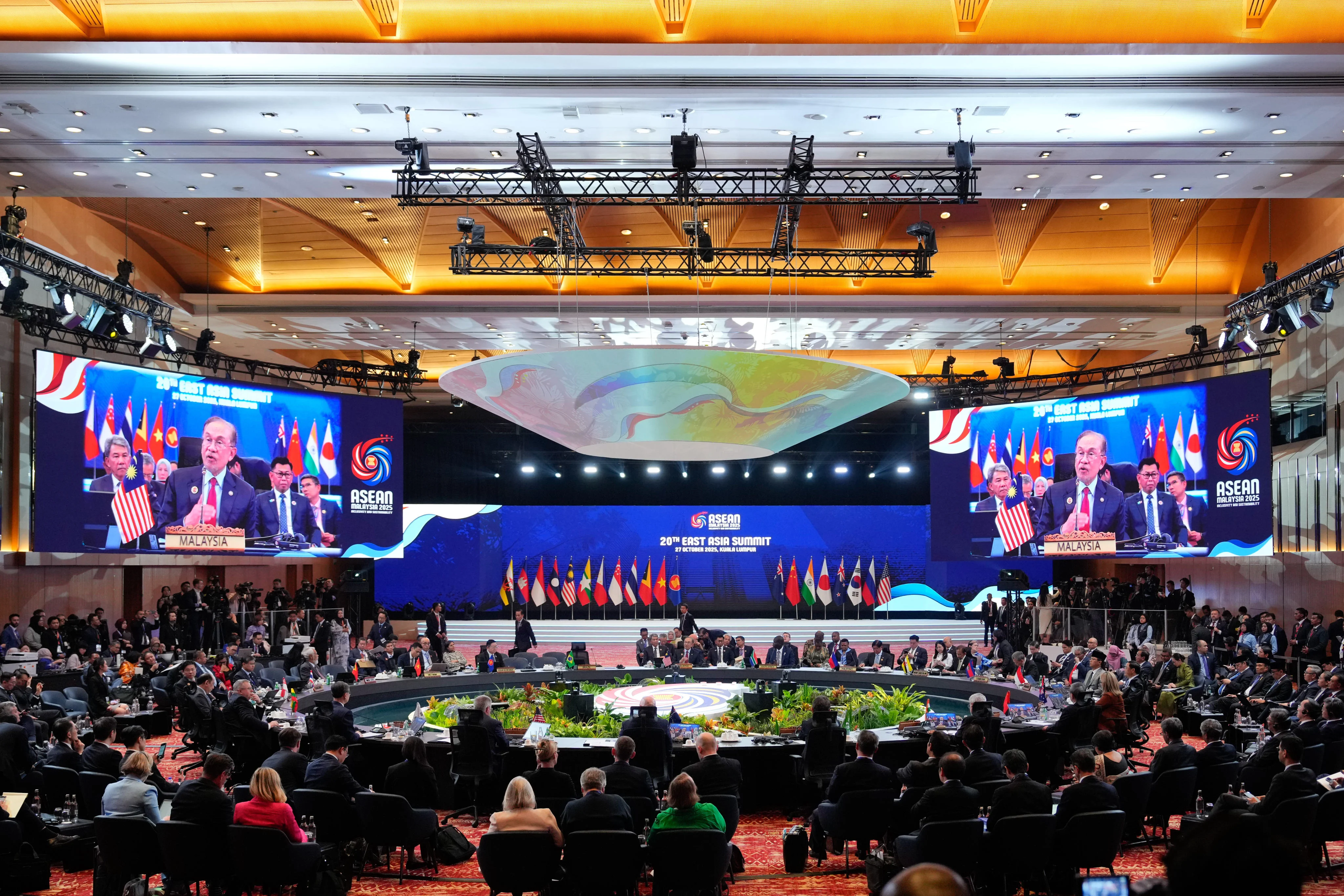
The world’s largest trade agreement was given a jump-start on Monday, as leaders met in Kuala Lumpur at a “pivotal” time for the global economy, desperate to turn the pact into tangible gains as sweeping US tariffs threaten to slow growth across Asia-Pacific. The Regional Comprehensive Economic Partnership (RCEP) covers 30 per cent of the global economy, with Asean members at its core alongside East Asian giants China, Japan, South Korea, as well as Australia and New Zealand. The pact was signed in 2020 as an antidote to US protectionism. But RCEP has struggled to become a relevant collective force, with its members clinging to restrictions and quotas to protect their key domestic industries. Malaysia’s Prime Minister Anwar Ibrahim said “the strategic importance” of the partnership “is clearer than ever”. “It is the first gathering of RCEP leaders since the signing of the agreement in 2020 at the height of the Covid pandemic,” said Anwar, who is chairing the Association of Southeast Asian Nations summit. “And again, we meet at a pivotal moment.” Formed from the wreckage of the US-led Trans-Pacific Partnership, the RCEP aims to streamline trade and investments between its members and grow a regional economy already worth as much as US$30 trillion annually, according to some estimates. Experts have long urged the RCEP to take on the mantle in trade initiatives instead of Asean, a grouping known for its timid diplomacy and slow enactment of its agreements, and make the bigger bloc a real engine of Asia’s growth instead. RCEP leaders in Kuala Lumpur – including China’s Premier Li Qiang, South Korea’s President Lee Jae-myung and New Zealand Prime Minister Christopher Luxon – agreed to the “full and effective implementation” of the deal, without giving a timeline. In their statement after the meeting, they agreed to ensure that “markets remain open, free and rules-based” and urged signatories to enact “domestic reforms in ensuring a level playing field” across the RCEP economies, which vary from the world’s second largest in China to minnow Laos. Malaysia was using the RCEP leaders’ summit to reaffirm the bloc’s “key role in shaping the regional trade order”, said Kamles Kumar, Malaysia lead at advisory firm Asia Group Advisors. The emphasis was on “transforming RCEP from a symbolic pact into a platform for real economic cooperation in supply-chain integration, digital trade, and standards alignment”, he added. Trump’s summit spectacle RCEP’s focus on regional trade followed a one-day visit to Kuala Lumpur for the Asean summit by US President Donald Trump, who dominated the spotlight on Sunday. Instead of picking up fights, Trump appeared pleased when he presided over a “peace treaty” between Thailand and Cambodia, saying the ceasefire between both sides would save “millions of lives”. He also announced deals with Malaysia to secure US access to rare earths and for Kuala Lumpur to lower tariffs for more American goods to flow into the Southeast Asian country. Trump left the export-reliant region in no doubt that the rules of global trade have changed, as he did not offer to trim tariffs for Asean’s economies. He also only offered vague words instead of security guarantees to a region increasingly anxious over China’s claims in the South China Sea. At a separate Asean+3 summit, leaders from the 11-strong bloc, including new member East Timor, China, Japan and South Korea committed to deepen their collaboration in trade and other areas. China’s Premier Li Qiang said the three East Asian countries’ rapid growth over the past 70 years was only possible through “openness and cooperation”, regardless of their different social and political systems. Analysts, however, are sceptical that Asean – a bloc whose byword has been cautious diplomacy for decades – could lead the charge in charting Asia’s economic future. “Sustaining this will require sustained political will that goes beyond PM Anwar’s chairmanship,” said Shazwan Mustafa Kamal, a director with government risk consultancy Vriens & Partners. “Without a follow-through beyond Malaysia’s Asean chairmanship in the form of institutionalisation, there is a concern that the momentum gained may be lost and it will be business as usual.”